
At some point during a well-planned event, everything aligns so perfectly that it barely feels real. The music’s perfect, and the lightning is hitting just right. But then you glance toward the food line and see crumpled napkins and half-eaten food sitting out a little too long.
Whether it’s a wedding or a company event, we often underestimate how quickly waste and food storage can become a concern. Planners often treat them as separate problems, but they’re really two sides of the same coin.
Research shows that on average, special events produce about 2.5 pounds of waste per attendee each day. Besides, the USDA Food Safety and Inspection Service notes that bacteria grow quickly when food is left between 40 and 140 F — a temperature range food can slip into at large events when it’s left for extended periods.
The fix is planning waste and cold storage as one logistics system.
Why Waste and Food Storage Are Critical to Event Success
Your guests might not remember the shade of the napkins, but they will absolutely remember the smell of an overflowing trash bin or the “off” taste of a lukewarm appetizer.
Besides, when bins start to overflow, they create visual clutter and pose real tripping hazards. It’s the quickest way to kill the vibe you worked so hard to create.
Also, when food is left in unsafe conditions or waste systems aren’t properly managed, you may be creating violations that can lead to bigger issues.
Common Mistakes Event Planners Make

When it comes to outdoor event waste management and food storage, event planners tend to fall into the same traps time and again. On paper, it seems manageable, but in reality, it stacks up fast and creates avoidable stress right when you can least afford it.
- Underestimating Waste Volume
- Relying on Standard Trash Bins Alone
- Poor Food Storage Planning
- Last-Minute Rentals
A Real-World Scenario: What Goes Wrong
Even with solid planning, events rarely go as expected. It’s all about how you spot problems and handle them.
Wedding

The Scenario
A 150-guest outdoor wedding. The planner accounted for dinner waste, but forgot the morning-of debris. By the time the ceremony starts, the back-of-house area is already overflowing with massive blocks of floral foam, cardboard shipping crates, and plastic wrap from chair rentals.
The Psychological Toll
When the catering staff sees loads of trash before the first appetizer is even served, their efficiency drops. They start tucking trash into corners, which eventually leads to a smell drifting toward the gift table.
The Fix
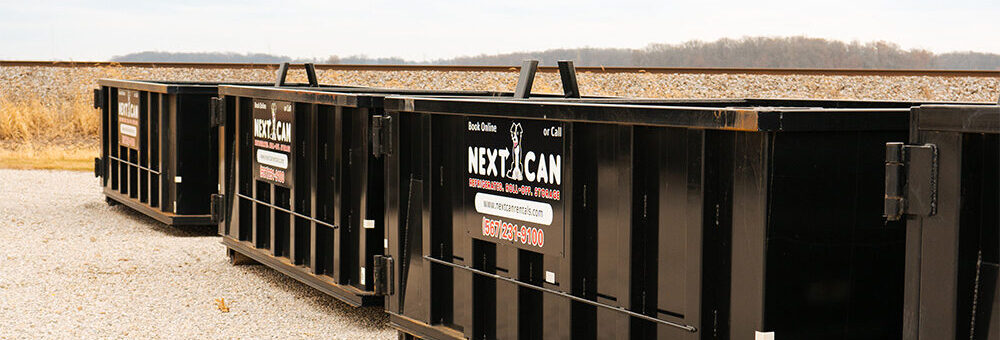
A 15-yard dumpster was delivered 24 hours before the ceremony. This captures the setup waste that consumes site capacity before the guests even arrive.
Quick Planning Checklist Before You Rent
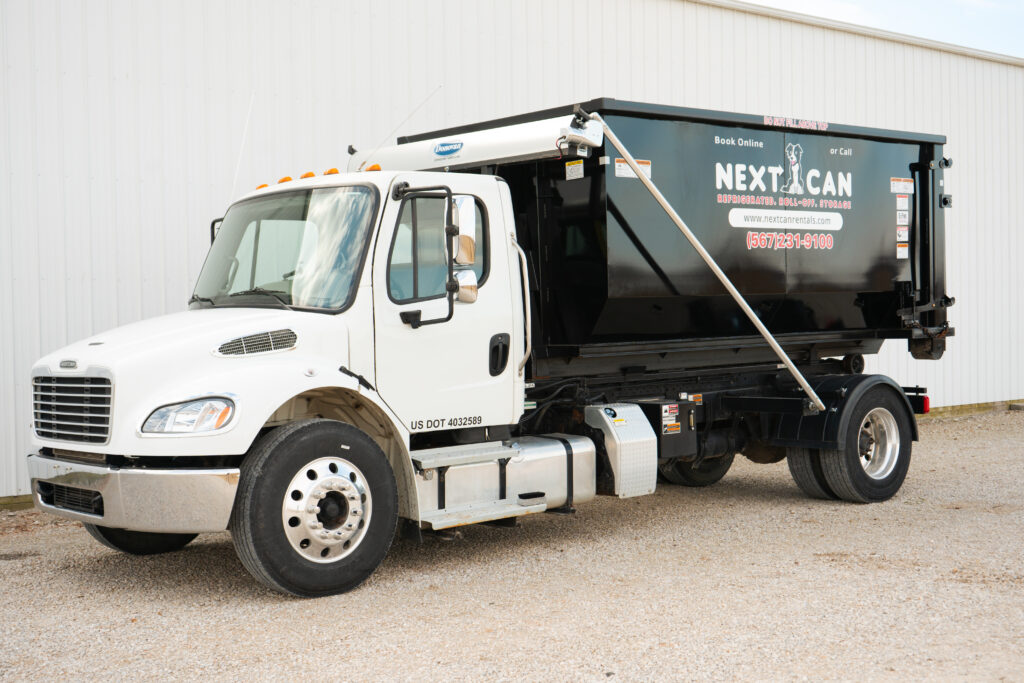
- Guest Count: Most planners count the guests and forget the 20-40 people working the event. The vendors, the setup crew, and the tech team all use the same bins and the same food supply. If your capacity isn’t scaled for them, you’ll hit your limit by dinner.
- Event Length: Does your event last 4 hours, or are you actually on-site for 14 hours? Waste management is also about the hours before the curtain rises, when the bulk trash (packaging, shipping pallets, construction waste) is created. If your rental window is too short, you’re stuck with a full dumpster at the end of the night with no way to clear it.
- Weather Conditions: If the ambient temperature is climbing, your refrigeration needs double. Are you looking at a sunny day where plastic coolers will sweat and fail within three hours? If the temperature hits 80°F or higher, you need a professional-grade trailer. More ice will not work.
- Power Access: A refrigerated trailer is useless without a dedicated power circuit to run it. Is your power source reliable, or are you running off a single, overloaded generator that already has the band’s sound system plugged into it? A tripped breaker at 2:00 AM can cost you your entire food inventory.
- Pickup and Delivery Schedule: Your equipment needs to be positioned on-site before the first vendor arrives to capture setup waste, and remain until the final teardown is complete. Aligning these windows with the venue’s strict egress deadlines prevents costly late-exit penalties, while scheduling mid-event dumpster swaps keeps the site from becoming visually overrun.
Choosing the Right Dumpster for Your Event: Size, Setup, and Placement
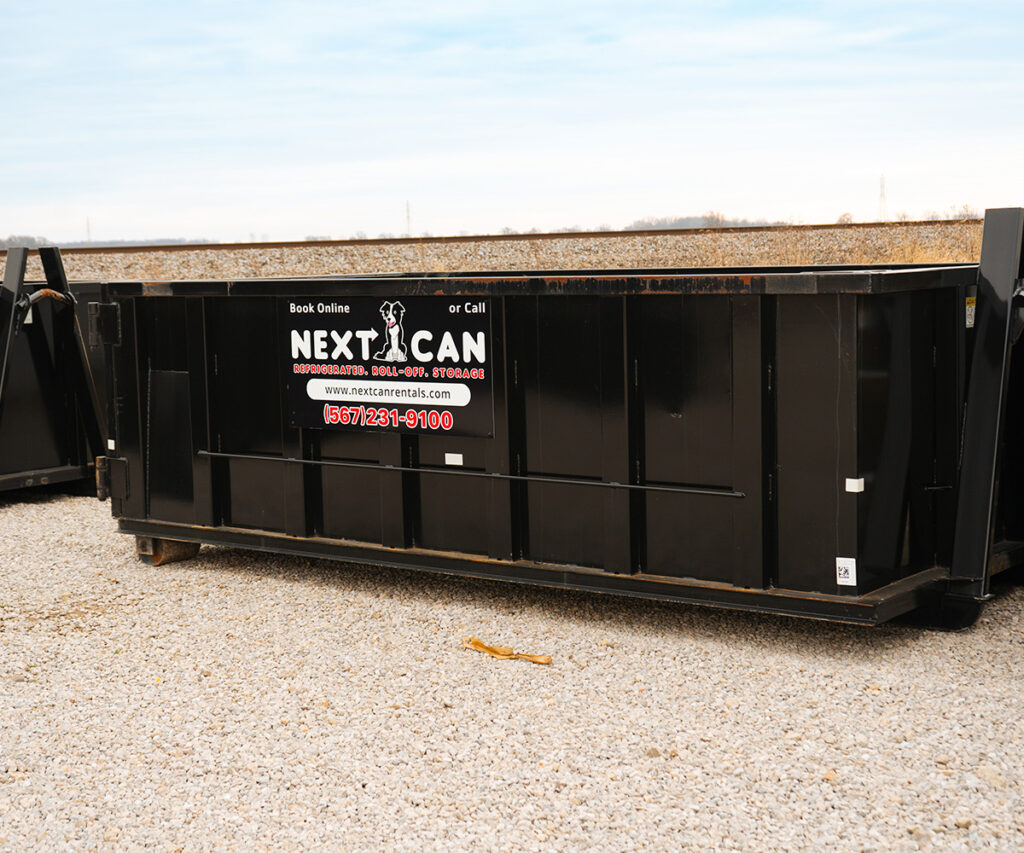
If the setup doesn’t match the size and type of your event, you’ll feel overflowing waste and constant cleanup loops almost immediately. Ideally, use the scale of your guest list to guide your decision. For small gatherings, a 10-15 yard container usually does the trick.
Once you hit a mid-sized party territory, you’ll want a 20-yard bin to handle the extra catering waste. For massive festivals or public events, nothing less than a 30+ yard dumpster will keep you from overflowing by mid-afternoon.
Besides, you need the bins close enough for staff to access easily, but tucked far enough away that odors and the ugly-looking metal boxes don’t crash the party photos. Make sure there’s a paved path for the hauler to drop off and pick up the unit without driving over expensive landscaping or getting stuck in a crowd.
Keeping Food Safe With Refrigerated Storage
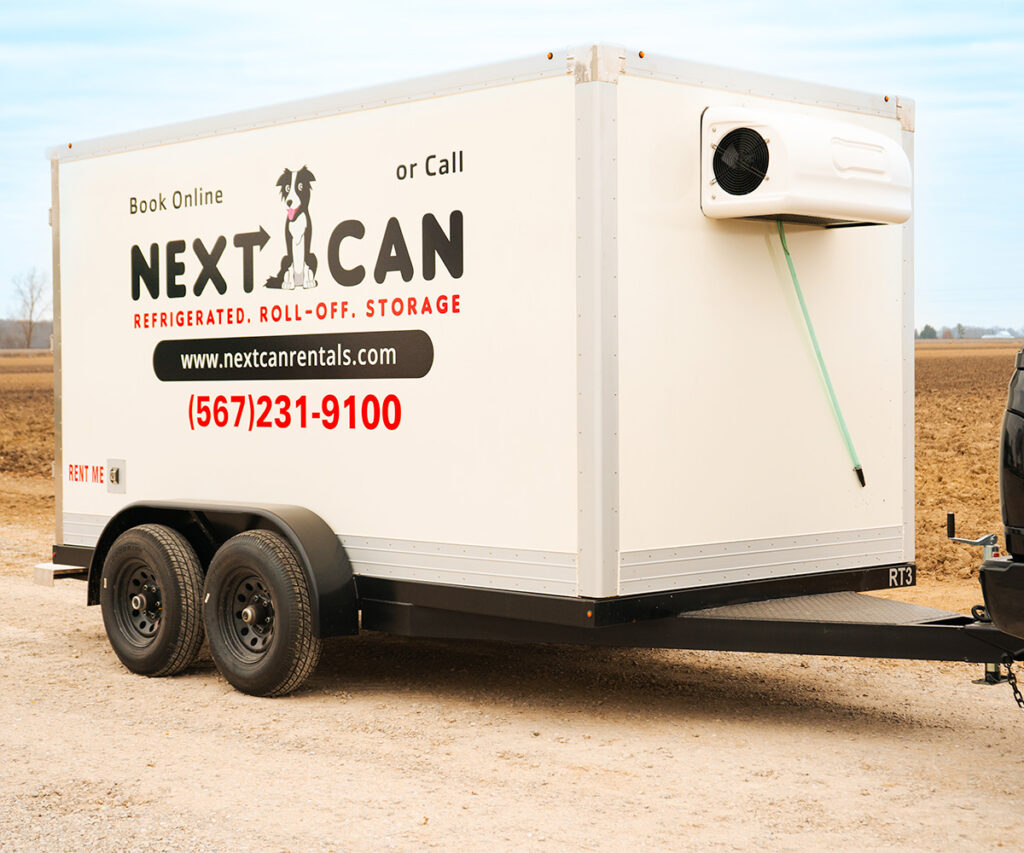
Food has a very short window where it stays fresh, especially when it’s sitting out in warm environments. That’s where event food storage solutions become a key part of the whole operation.
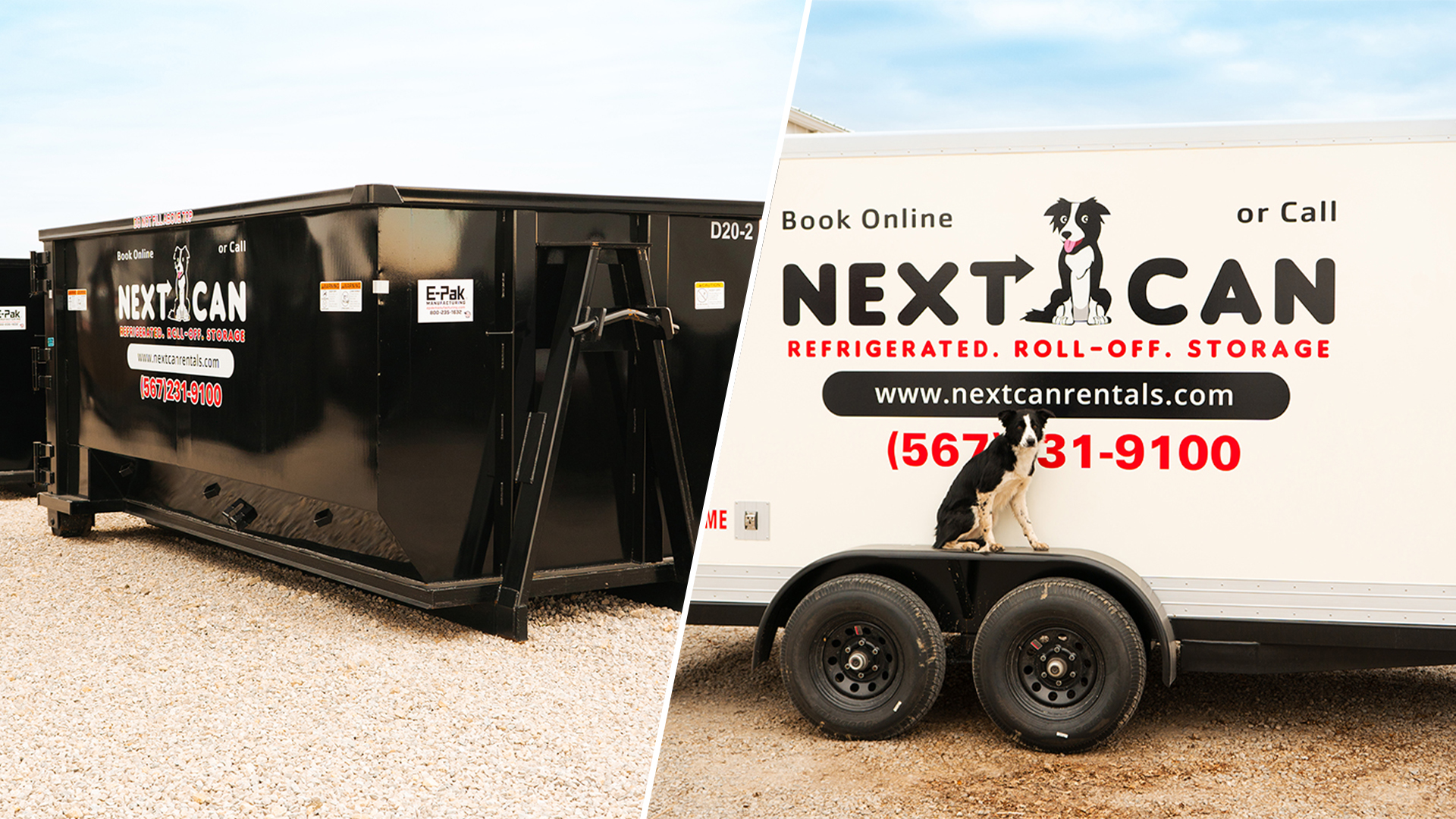
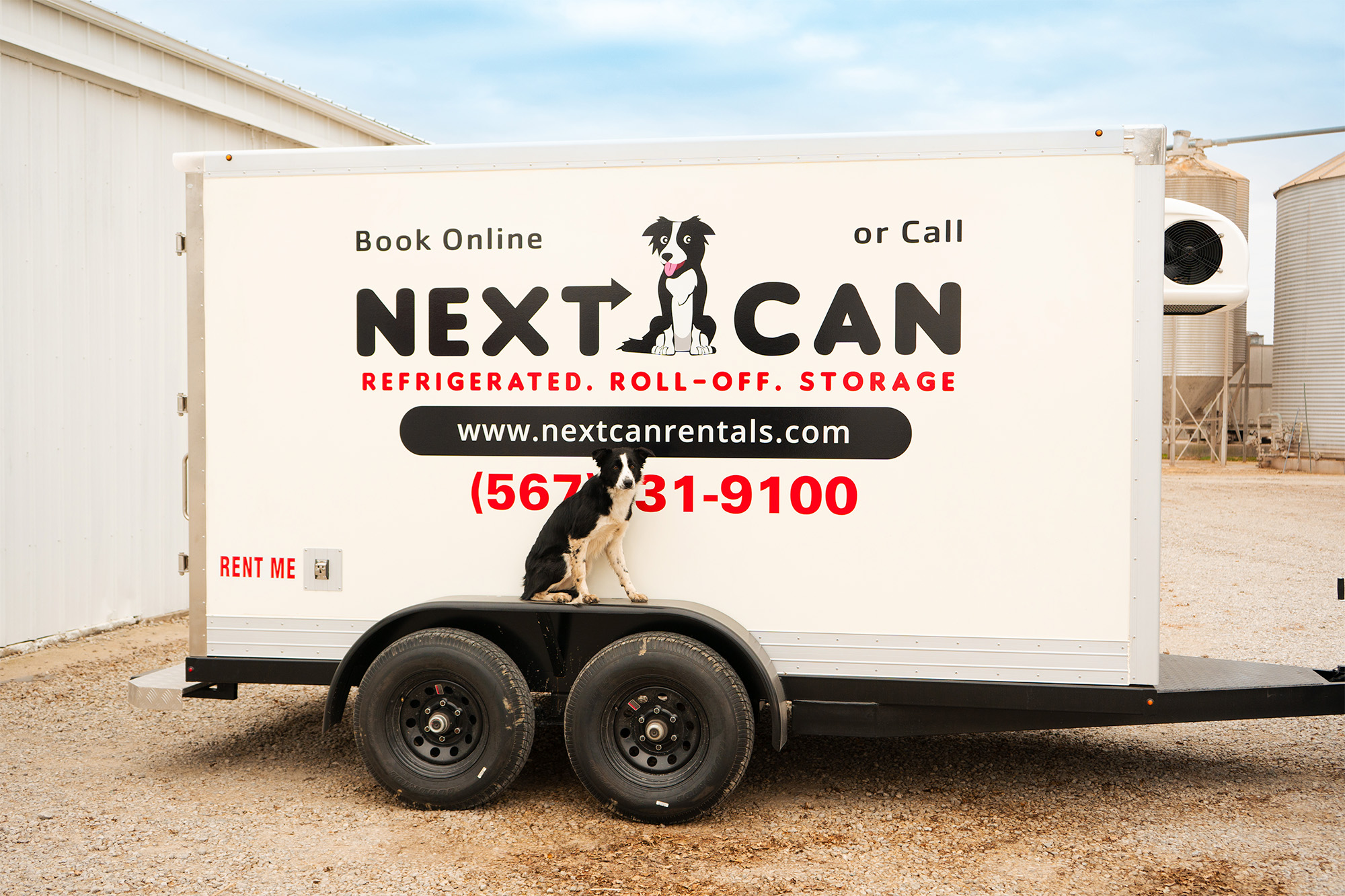
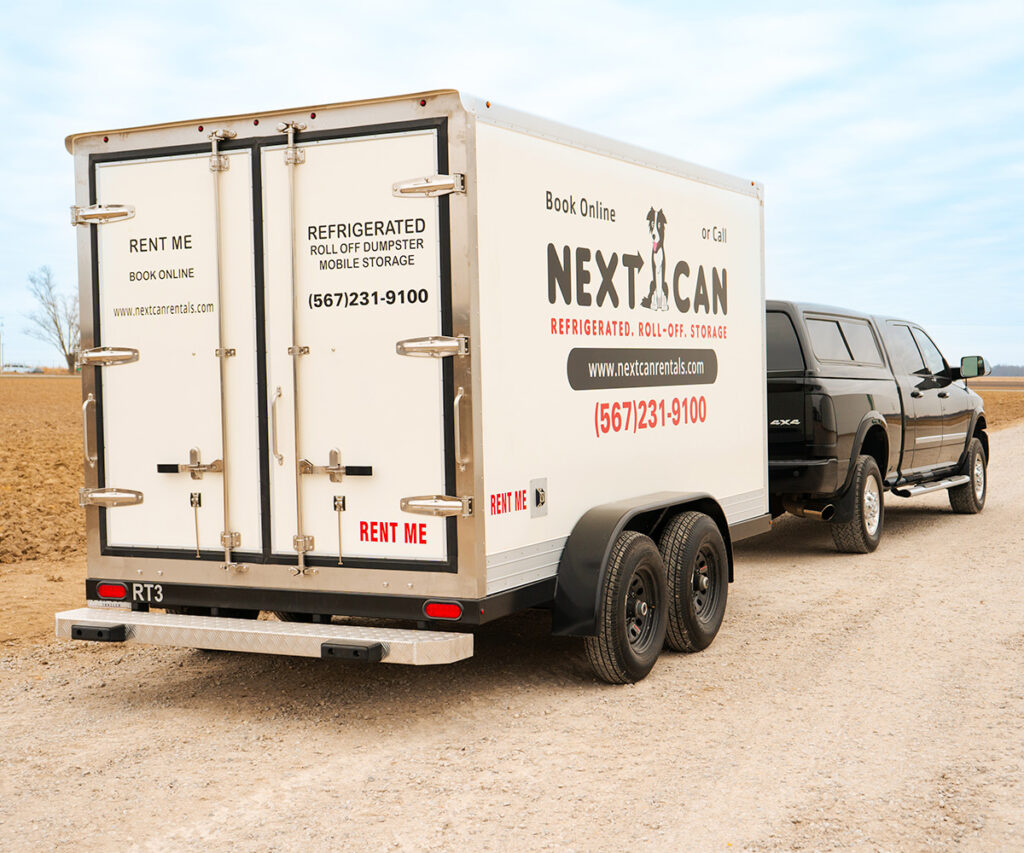
Refrigerated trailers provide consistent temperature control, regardless of how many times the door is opened. For caterers and vendors, having a high-capacity home base means they can prepare everything in bulk and keep it all perfectly crisp.
When You Need One
If your event is outdoors or the forecast shows any signs of heat, you need a trailer. High guest counts make traditional fridge space vanish instantly, and for multi-day festivals, you simply can’t cycle enough ice to keep up. If the success of your day depends on the freshness of the food, you need a solution that plugs in and stays cold!
The Advantage of Coordinating Both Together
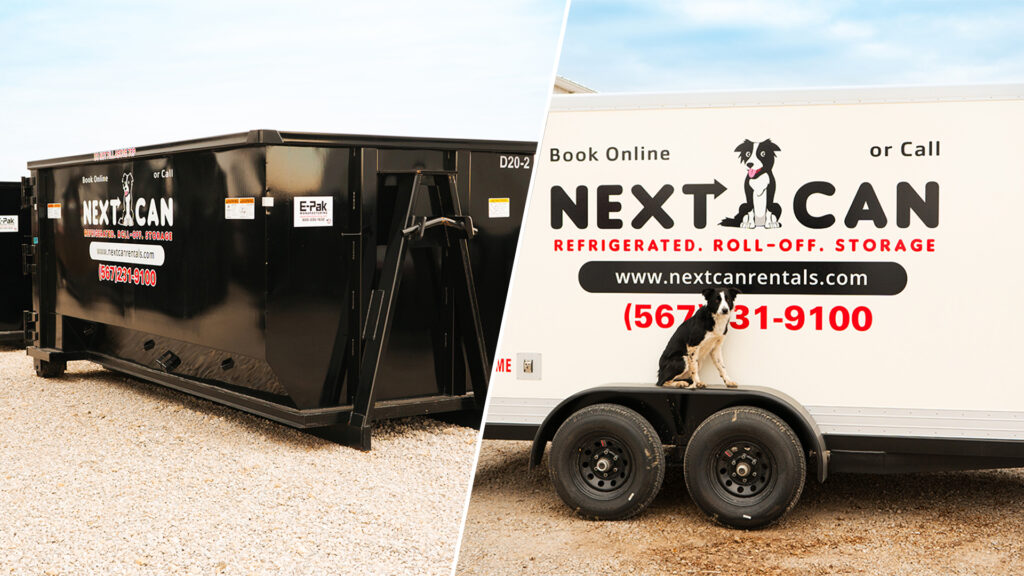
Coordinating both simplifies your life. Instead of managing separate delivery windows and conflicting site maps, you get one streamlined arrival and pickup schedule.
This eliminates the communication breakdowns that usually lead to a dumpster blocking a fridge or a delivery truck getting stuck in a crowd of guests.
By aligning these two, you gain a far more efficient site layout. You can strategically place your refrigerated trailer and dumpster in a back-of-house hub that keeps the heavy lifting out of the guest experience while ensuring your catering team isn’t hiking a mile to toss a bag of trash or grab a fresh tray.
Better planning on the front end means fewer unpleasant surprises, lower delivery fees, and smoother logistical flow.
Practical Tips for Event Day Success
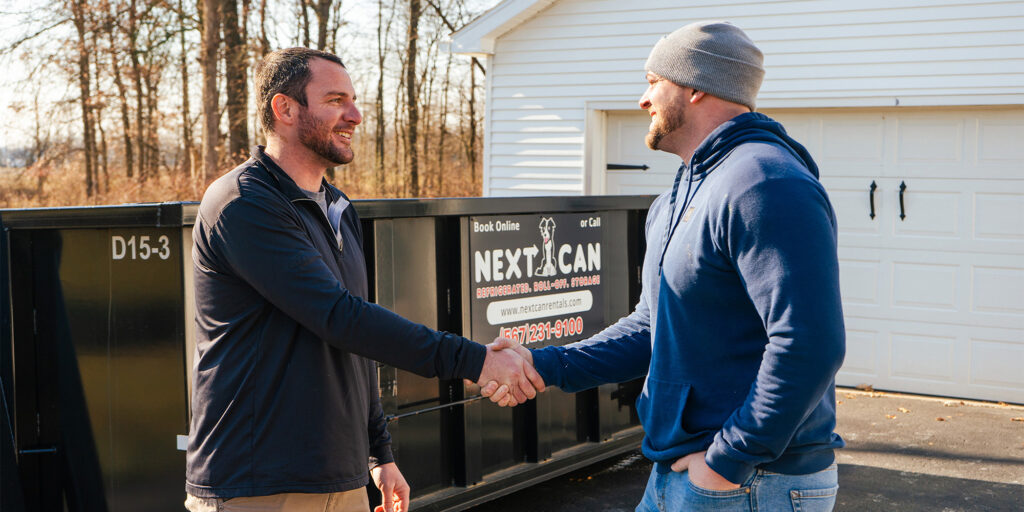
- Map out your zones early: Plan your zones in advance rather than improvising on the day of the event. Drawing clear boundaries between food service and waste areas helps maintain organization and reduces the risk of cross-contamination.
- Keep dumpsters accessible but discreet: You want your waste bins close enough that staff won’t ditch the trash in a corner, but tucked behind a screen or around a bend. Out of sight, out of mind (but always within reach for a quick toss).
- Place the fridge next to the prep station: Every foot your catering team has to walk to grab fresh ingredients is a foot where the temperature can drop (and the stress can rise). So, place your refrigerated storage right in the heart of the action to keep the flow fast and the food crisp.
- Triple-check the “Arrival Window”: Confirm your delivery times and make sure there’s a clear path for large trucks. After all, there’s nothing worse than a dumpster arrival being blocked by a florist’s van or a narrow gate you forgot to measure.
- Have a clear post-event cleanup plan: The event isn’t over until the site is bare. Have a designated crew and a firm schedule for when the bins are hauled away, and the trailers are hitched, so you aren’t left holding the bag (literally) when everyone else has gone home.
Final Thoughts: Plan Ahead, Avoid Problems
Everything runs smoothly when large event logistics planning is treated as a single, connected system. By handling logistics early, you’re cutting out many common “day-of” issues before they even have a chance to show up.
Don’t wait until you’re staring at a large volume of waste or a warm tray of appetizers to wish you had a better plan.
Ready to lock in a stress-free setup? At Next Can Rentals, we offer both high-capacity dumpsters and heavy-duty refrigerated trailers for events, all in one place.
We’ve got the gear to keep your food cold and your site clean. Reach out to us today, and let’s make sure your next big event is remembered for all the right reasons!