
Which Is Right for You?
When you start a cleanup or renovation project, choosing between a 20 vs. 30 yard dumpster can be one of your most important decisions. The right choice can streamline the disposal process and prevent unnecessary delays. Choosing wisely can help you avoid additional fees for overages or extra hauls. On the other hand, choosing the wrong size can result in wasted space and unexpected costs. Or it could result in the inconvenience of needing a second dumpster.
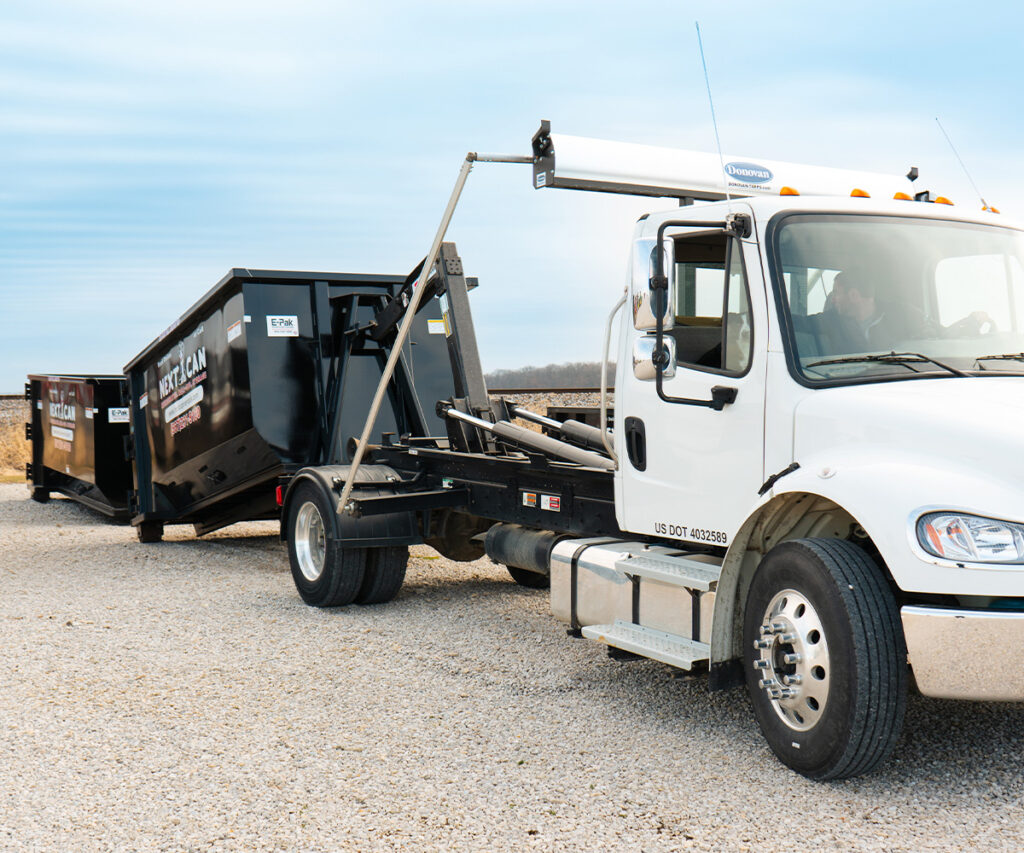
Dumpsters come in various sizes, but the 20-yard and 30-yard options are among the most popular for residential and commercial projects. The size you choose depends on factors like the type of waste, the scope of the project, and the space available for the dumpster. Whether you’re tackling a home renovation, a landscaping overhaul, or a significant decluttering effort, Next Can has you covered.
To understand the differences between a 20 vs. 30 yard dumpster, let’s look at some factors that will help you make the best decision.
Compare Next Can’s 20- and 30-Yard Dumpsters
A 30-yard dumpster provides more container space than a 20-yard dumpster, but that does not automatically mean it includes more weight. The right choice depends on what you are removing, how much space the debris takes up, and where the dumpster will be placed.
Use the comparison below to narrow your options. For heavy materials or an uncertain load size, talk with Next Can Rentals before booking.
| Compare | 20-Yard Dumpster | 30-Yard Dumpster |
|---|---|---|
| Capacity | 20 cubic yards Good for moderate-volume projects | 30 cubic yards More room for bulky debris |
| Listed Dimensions | 14′ L × 8′ W × 6′ H Shorter container length | 16′ L × 8′ W × 6′ H More container space and a longer footprint |
| Included Weight | 4 Tons Included with the rental | 4 Tons Included with the rental |
| Consider This Size When | Your project needs substantial dumpster space but has a moderate amount of approved debris. | Your project is expected to create a larger volume of bulky approved debris. |
| Placement | Shorter listed footprint may help where available space is limited. | Requires additional container length plus adequate delivery and pickup access. |
| Main Difference | Less container volume with the same listed included weight. | More container volume, but not a higher included weight allowance. |
| Rental Details | View 20-Yard Dumpster | View 30-Yard Dumpster |
Choose by Both Volume and Weight
Volume describes how much room the debris takes up. Weight describes how heavy the load is. Both matter when choosing a dumpster.
Bulky, lighter items may use up available space before reaching the included weight allowance. Denser materials may reach that allowance while there is still room in the container.
Next Can’s listed 20- and 30-yard rentals each include four tons. Moving to the larger size adds space—not an automatic increase in included weight.
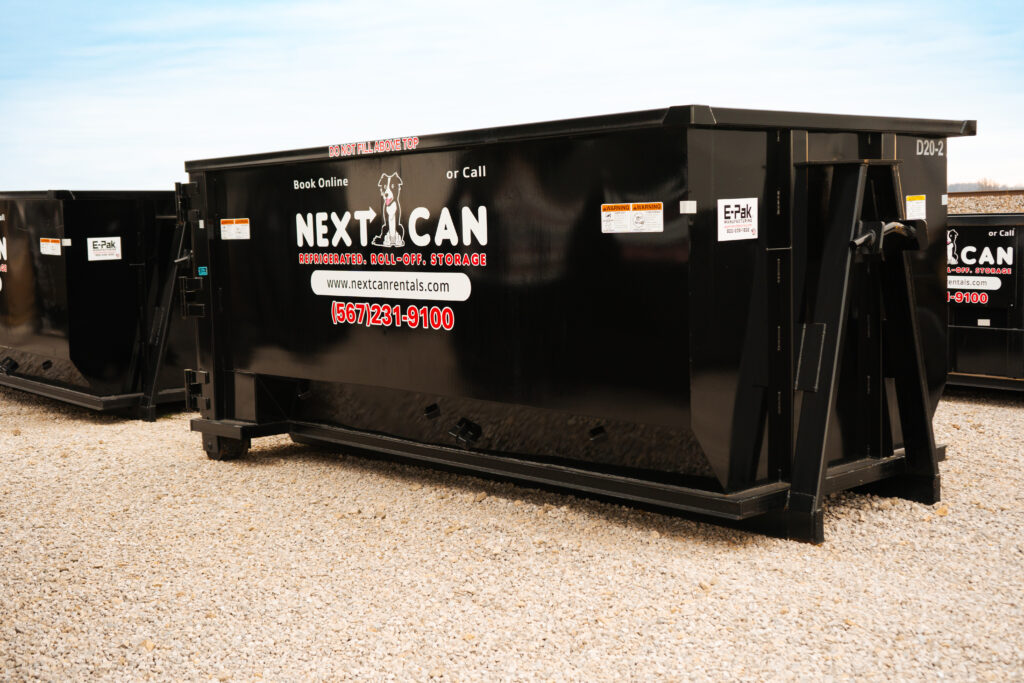
20-Yard Dumpster
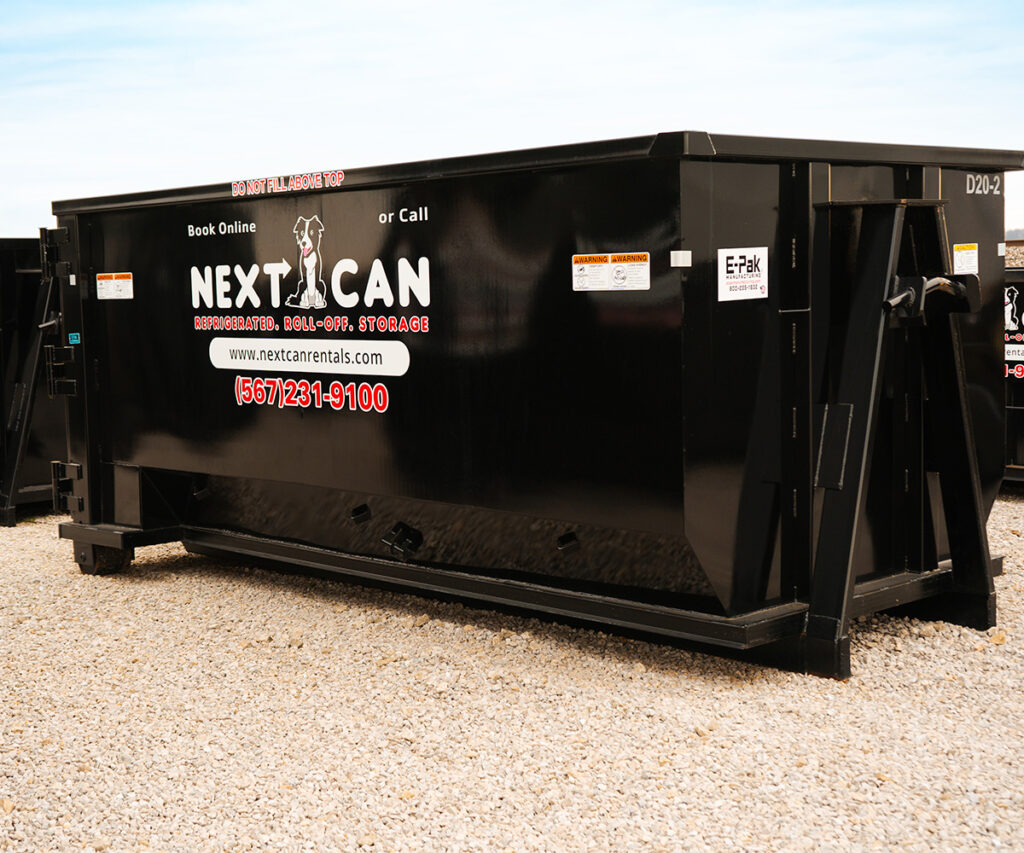
Start by considering a 20-yard dumpster for a cleanout or renovation where the expected amount of debris is moderate and a shorter container is useful for placement.
Describe the rooms being cleared, materials being removed, and any large items that need disposal. A project label such as “kitchen remodel” is only a starting point: two kitchen projects can produce very different amounts of debris.
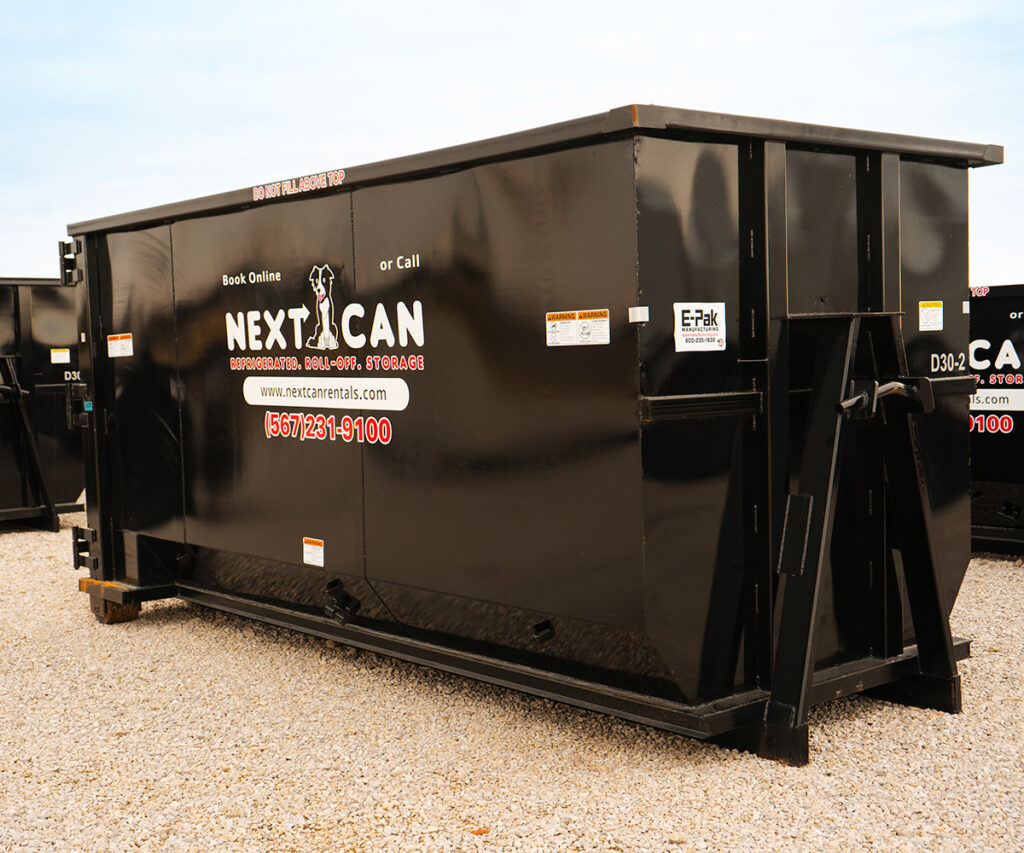
• Dimensions: Approximately 14 feet long x 8 feet wide x 6 feet high.
• Capacity: Holds about six pickup truckloads of debris.
• Weight Limit: Typically 2 to 4 tons (4,000–8,000 lbs).
Best for:
- Medium-sized home renovation projects.
- Large garage or basement cleanouts.
- Deck removals up to 400 square feet.
- Roofing projects involving up to 3,000 square feet of shingles.
30-Yard Dumpster
Consider the 30-yard option when your project is expected to generate a larger volume of approved debris, especially when bulky items are a major part of the load.
The extra space may be useful for a larger cleanout or multi-area renovation. It does not guarantee that every project will fit in one container, so discuss the expected materials and quantity before reserving.
• Dimensions: Approximately 16 feet long x 8 feet wide x 6 feet high.
• Capacity: Holds about nine pickup truckloads of debris.
• Weight Limit: Up to 4 tons, but allows for bulkier waste.
Best for:
- Major home additions or renovations.
- Whole-house cleanouts.
- Demolition projects (e.g., tearing down garages or small houses).
- Large-scale landscaping and yard waste removal.
Compare all available roll-off dumpster sizes before choosing between the 20- and 30-yard options.
Ask Before Booking for Heavy Materials
The listed dumpster dimensions describe the container—not all the room needed for delivery and pickup.
Explain the proposed placement area and any gates, parked vehicles, overhead obstructions, or other access concerns. Review our dumpster delivery preparation guide before scheduling.
Major Haul vs. Decluttering
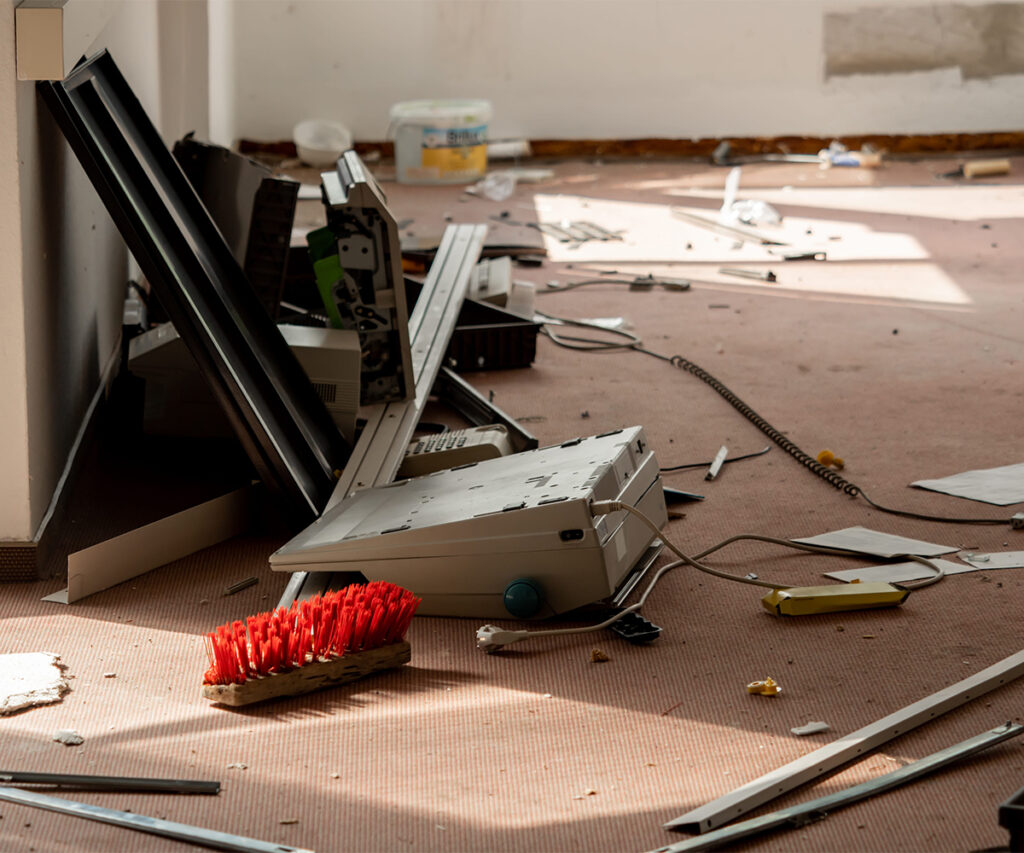
If you’re remodeling a single room, a 20-yard dumpster may be enough. However, it won’t be enough if you update multiple rooms or undertake a home renovation. The added space in a 30-yard dumpster allows you to dispose of large materials like countertops, bathtubs, and sections of drywall without worry.
Decluttering projects also influence the best dumpster size. A 20-yard dumpster is often ideal for garage, basement, or attic cleanouts that will remove old furniture, boxes, and general household clutter.
However, for estate cleanouts or major downsizing, a 30-yard dumpster can handle larger furniture pieces like couches, mattresses, dressers, and appliances without overflowing.
Landscape & Construction
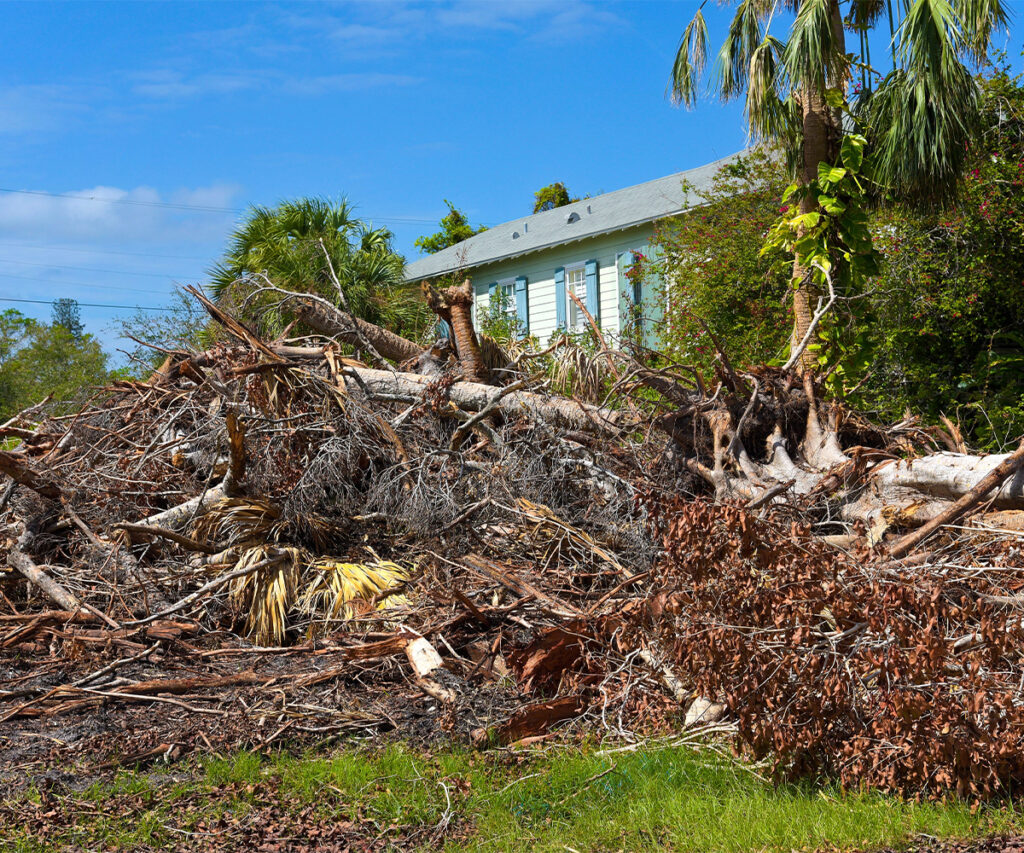
Landscaping waste is another key factor. If you’re removing small trees, bushes, and branches, a 20-yard dumpster may be sufficient. However, for significant yard overhauls—such as multiple tree removals, tearing out concrete walkways, or regrading your yard—the 30-yard dumpster provides the volume needed for heavy and bulky materials.
Similarly, if you’re demolishing a deck or fence, a 20-yard dumpster may work for smaller projects, but a 30-yard option is better for larger structures.
Choosing the Right Dumpster Size

Assess Your Project Size: For minor to moderate home projects, a 20-yard dumpster should suffice. However, if you’re working on a full-home cleanout or a large-scale renovation, upgrading to a 30-yard dumpster ensures you have enough space.
Consider the Type of Waste: Bulky items like furniture, drywall, or large amounts of yard waste require additional space. A 30-yard dumpster’s extra volume can prevent overflow issues and allow for a smoother cleanup process.
Check Space Availability: Both dumpsters have similar footprints, but the 30-yard option is slightly longer. Before making a decision, ensure your project site can accommodate the required height and weight capacity. The delivery driver will need about 60 feet of space and at least 23 to 25 feet of overhead clearance. Be sure to pick a flat and paved spot for the dumpster. Check with your local officials beforehand to see if you need a permit.
Understand Weight Restrictions: Every dumpster rental includes a weight limit. Exceeding this limit results in overage fees. If your debris consists of heavy materials like concrete, brick, or roofing shingles, check our FAQs for weight guidelines to avoid additional costs.
Additional Considerations
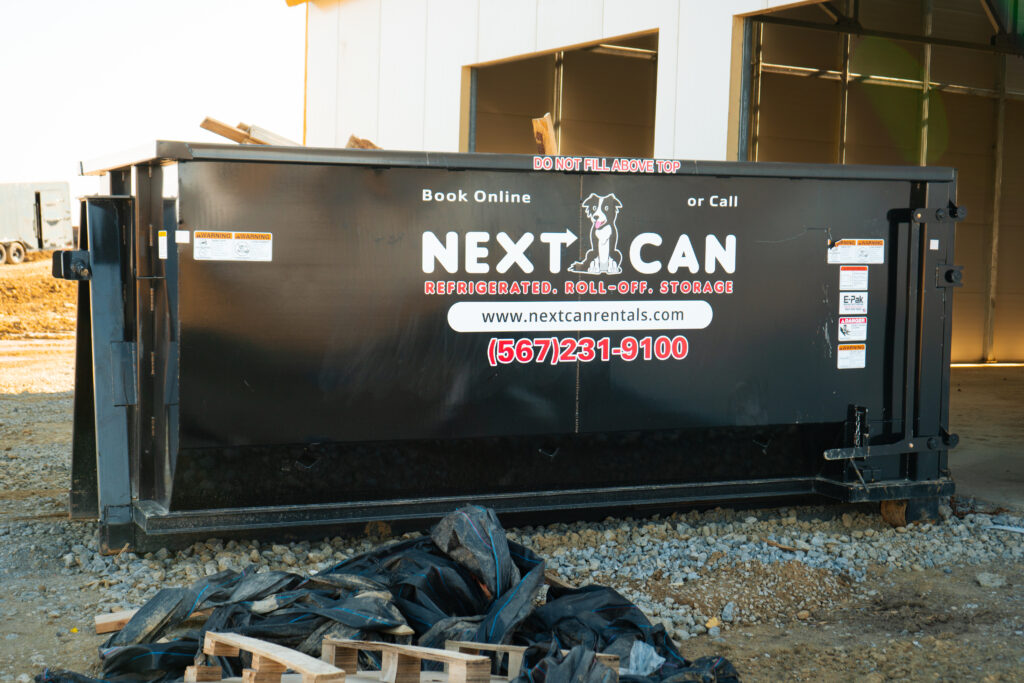
Before choosing, review the included rental period, weight allowance, delivery arrangements, and charges for additional time or weight.
A smaller base price is not necessarily the best fit when the container is too small for the project. Likewise, paying for extra volume may not help when weight or material restrictions are the deciding issue.
Check the Delivery Area
The listed dumpster dimensions describe the container—not all the room needed for delivery and pickup.
Explain the proposed placement area and any gates, parked vehicles, overhead obstructions, or other access concerns. Review our dumpster delivery preparation guide before scheduling.
Review the dumpster delivery and pickup process before selecting your rental dates and placement area.
- Rental Periods: Some projects take longer than expected. If you need an extension, check with your rental company about additional rental days and any associated fees.
- Permit Requirements: Depending on your location, you might need a permit to place a dumpster on a public street. Contact your local municipality to ensure compliance.
- Proper Loading Techniques: Distribute weight evenly and avoid overfilling. Overfilled dumpsters create safety hazards and may incur extra fees.
Still Deciding Between Sizes?
Tell us what you plan to remove, approximately how much you have, and where the dumpster will go. We’ll help you compare the options before booking.
For a smaller cleanup, also review the 15-yard dumpster.

15yd Roll-Off Dumpster
Best for:
- Garage, attic, and basement cleanouts
- Small remodeling projects
- Shed and outbuilding cleanouts
- Light demolition debris
- Yard and landscaping cleanup

20yd Roll-Off Dumpster
Best for:
- Kitchen and bathroom remodeling
- Roofing projects
- Estate and moving cleanouts
- Flooring and deck removal
- Medium contractor projects

30yd Roll-Off Dumpster
Best for:
- Whole-home and large estate cleanouts
- Major remodeling and demolition
- Commercial renovation debris
- Farm and property cleanup
- Large construction projects